
Understanding the psychological triggers that make gambling irresistible
The Thrill of Uncertainty
The unpredictability of outcomes is one of the most compelling psychological triggers behind gambling’s allure. This uncertainty creates an adrenaline rush that can be exhilarating. When players place bets, they experience a surge of excitement, particularly when they anticipate a win. This anticipation, fueled by the possibility of an unexpected outcome, can lead to feelings of euphoria. Such heightened emotional states can be addictive, drawing players back for more, as they chase that elusive high. Many beginners might find an engaging way to start their gaming journey at https://unlimluckcasinos-uk.com.
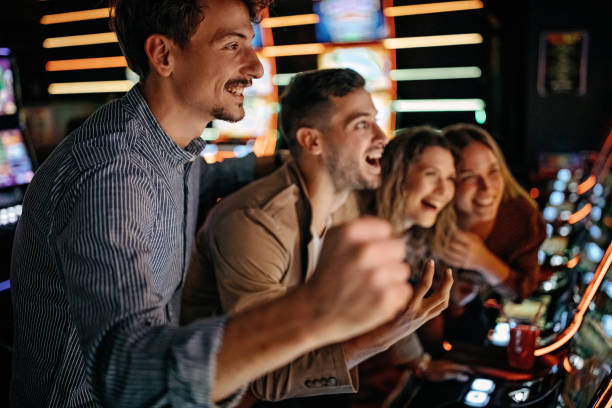
Moreover, the human brain is wired to find pleasure in uncertainty. The brain’s reward system becomes activated when we engage with uncertain situations, releasing dopamine, a neurotransmitter associated with pleasure. This chemical reaction reinforces the behavior, encouraging individuals to continue gambling in hopes of recreating that initial high. Over time, the more a player gambles, the more they crave that unpredictable excitement, leading to potentially compulsive behavior.
The thrill of uncertainty can also be enhanced by the social environment of gambling. In casinos or online platforms, players often engage with others who share the same excitement. This social interaction can amplify the psychological impact, as players feed off each other’s energy and enthusiasm. In essence, the communal thrill enhances the individual experience, making it even harder to resist the urge to gamble.
The Illusion of Control
Another significant psychological trigger in gambling is the illusion of control. Many players believe they can influence the outcome of a game, whether it’s by choosing a specific slot machine or employing strategies in table games. This belief can create a sense of empowerment, making players feel that they are not just passive participants but active decision-makers. Such perceptions significantly enhance the gambling experience, leading players to engage more frequently in hopes of achieving favorable outcomes.
Research indicates that individuals often overestimate their influence over random events. For instance, a player might convince themselves that a specific bet or playing style will lead to success. This cognitive bias can make losses easier to cope with, as players rationalize that they were close to winning. This mindset can create a dangerous cycle where players continue to gamble, believing that the next bet will finally yield the desired results.
The illusion of control can be particularly potent in skill-based games, such as poker or blackjack, where players feel their skills can directly impact their success. This sense of agency can be addictive, as players chase the thrill of mastery. Over time, however, it may lead to problematic gambling behaviors, as individuals disregard the randomness inherent in many gambling forms, believing they can outsmart the system.
The Role of Variable Rewards
Variable rewards are a powerful psychological mechanism that enhances the appeal of gambling. This concept, derived from behavioral psychology, suggests that the unpredictability of rewards can lead to increased engagement. In gambling, outcomes vary widely; sometimes, players win, and other times, they do not. This inconsistent reward pattern keeps players on the edge of their seats, eagerly awaiting their next win, reinforcing the desire to continue playing.
The notion of variable rewards can also be linked to the “slot machine effect,” where players receive small wins intermittently. These minor victories can create a sense of accomplishment, further enticing players to continue. The anticipation of a big win becomes a driving force, as the potential for a large payout feels just within reach. This cycle can lead to compulsive gambling behaviors as players chase that next win, spurred on by the unpredictability of their experiences.
The design of many gambling platforms amplifies this effect. Many online casinos and slot machines are programmed to deliver variable rewards at a strategic pace, keeping players engaged for longer periods. This design taps into the brain’s reward system, effectively turning gambling into a thrilling game of chance, where the next win is always just around the corner. This dynamic can be challenging to resist, leading players to gamble more frequently in pursuit of that elusive jackpot.
Social Influences and Peer Pressure
Social dynamics play a crucial role in the appeal of gambling. Peer pressure, social norms, and group behaviors can heavily influence an individual’s decision to gamble. In social settings, the excitement of gambling can be contagious; witnessing friends or acquaintances winning can create a sense of urgency to join in. This social proof can compel individuals to gamble even if they previously had reservations, making them more susceptible to engaging in betting activities.
Furthermore, the rise of online gambling communities has magnified these social influences. Players can share experiences, celebrate wins, and discuss strategies in real-time, creating a sense of belonging. This environment fosters a community spirit, where members encourage one another to continue playing, often blurring the lines between casual participation and compulsive behavior. As individuals become more entrenched in these communities, the pressure to conform can lead to increased gambling.
The celebratory culture surrounding gambling, highlighted by big wins and shared experiences, can further entrench the behavior. Players often post their achievements on social media, creating a public persona that glamorizes gambling. This portrayal can distort perceptions of risk and success, making gambling appear more attractive than it may be. This cultural phenomenon enhances the irresistible nature of gambling as individuals seek to replicate the successes they see celebrated in their social circles.

Unlimluck Casino: A Case Study
Unlimluck Casino exemplifies how psychological triggers are embedded into modern gambling platforms. With a vast selection of over 2,500 games, players are constantly exposed to varied rewards and the thrill of uncertainty. The casino’s design encourages extended play through enticing graphics and sound effects that enhance the overall experience, drawing players into its world. These elements leverage the psychological triggers discussed, making it hard for players to resist the urge to gamble.
The platform’s focus on promotions, including a generous welcome bonus, feeds into the illusion of control. Players are motivated to engage more, convinced that they can harness their skills and strategies for greater success. Additionally, the non-GamStop environment offers players freedom, which may appeal to those seeking an unrestricted gambling experience, further increasing their time spent on the platform.
In conclusion, understanding the psychological triggers that make gambling irresistible sheds light on why many find it difficult to stop. The combination of thrill, control, variable rewards, and social influences creates a compelling environment that keeps players engaged. As platforms like Unlimluck Casino continue to evolve, recognizing these triggers is essential for players to make informed decisions about their gambling habits.